RIA Back-Office Outsourcing: Automating Operations for Better Client Service
RIA back office outsourcing means hiring external specialists to handle investment operations like reconciliation and reporting. Most advisors did not enter wealth management to process paperwork, yet these tasks consume time advisors could spend with clients.
Wealth management firms now combine outsourcing with automation to reduce errors, speed service, and lower costs. Industry data shows 82% of firms plan to increase operational budgets in 2026 [1], with technology as a top priority. This article explains how to make it work for your firm.
What Is RIA Back-Office Outsourcing?
RIA back-office outsourcing involves contracting external experts to manage operational tasks that keep wealth management firms running.
These functions include trade reconciliation, portfolio reporting, billing, fee processing, and compliance recordkeeping. Specialized providers understand investment operations complexity and regulatory requirements deeply.
Unlike general business outsourcing, RIA back-office needs require wealth management expertise. A partner who understands Form ADV requirements, SEC rules, and custodial reporting standards provides value beyond simple task completion.
This specialized knowledge protects your firm from compliance gaps while improving operational quality.
The difference between outsourcing and offshoring matters here.
Outsourcing means hiring a domestic partner with specific expertise. Offshoring sends work to other countries primarily for labor cost savings. Most successful RIAs choose specialized domestic partners who understand investment operations.
Key RIA back-office functions include:
- Trade reconciliation and settlement monitoring
- Portfolio reporting and performance calculation
- Advisory fee billing and processing
- Compliance recordkeeping and regulatory documentation
- Custodial communications and account maintenance
RIA back-office needs differ substantially from standard business functions. Investment operations involve time-sensitive processes and strict regulatory oversight. Your outsourcing partner must understand these nuances to serve your firm effectively.
Why Wealth Management Firms Outsource Back-Office Operations
Administrative burdens consume enormous time that advisors could spend with clients. When your team handles trade confirmations and statement preparation, they have less capacity for financial planning.
This trade-off directly impacts revenue generation and client satisfaction.
Wealth management firms make a strategic shift when they decide to outsource. They recognize that their core value lies in investment advice, not data entry.
By moving operational work to specialists, advisors gain back hours each week for high-value activities. This focus drives better outcomes for both clients and the business.
Industry pressure to operate efficiently continues growing. According to recent research, 82% of RIA firms anticipate increasing their operational budgets, with investments primarily targeting technology upgrades.
Firms that resist this shift often find themselves at a disadvantage as competitors gain efficiency through outsourcing. Common operational areas like customer service have pivoted towards AI support built for financial services.
Core Back-Office Functions Wealth Managers Commonly Outsource
Most RIAs outsource portfolio reporting, billing, trading support, and account maintenance. These functions require consistent execution but do not benefit from in-house handling.
They share common characteristics that make them ideal for external management.
These functions suit external specialists because they follow predictable patterns. Reporting runs on regular schedules. Billing uses established formulas. Reconciliation matches known data points.
Specialized providers build technology around these patterns, achieving efficiency that individual firms cannot match.
When firms outsource these functions, clients receive faster and more consistent service. Reports arrive on schedule every time. Billing questions get answered quickly.
Account changes process without delays. This reliability builds trust and demonstrates professionalism.
Portfolio Reporting and Performance Processes
Portfolio reporting means creating client statements and performance summaries that show how accounts track against goals. These documents require pulling data from custodians and calculating returns accurately.
Clients rely on these reports to understand their financial progress.
What changes when you outsource:
- Reports follow standardized templates with consistent formatting
- Turnaround times drop from days to hours
- Quality checks catch errors before clients see them
- Schedule delays disappear even during peak periods
Better reporting creates transparency that strengthens advisor-client relationships. When clients receive accurate and timely information, they trust your guidance more.
This transparency reduces administrative questions and allows conversations to focus on planning.
Billing, Fee Processing, and Reconciliation
Automated billing eliminates manual work that creates errors in wealth management firms. Fee calculations must follow client agreements precisely.
Reconciliation ensures every transaction matches custodial records.
Accurate fee processing directly impacts cash flow and client satisfaction.
When fees calculate correctly, clients remain confident in your competence. Errors in this area create immediate frustration and can damage relationships.
How automation improves billing outcomes:
- Fees calculate consistently against client agreements
- Billing cycles run on schedule without manual intervention
- Reconciliation flags discrepancies immediately for correction
- Revenue capture improves because no billing opportunities are missed
Automated workflows prevent problems while protecting your revenue. This accuracy maintains transparency and trust with your clients.
Trading Support and Custodial Communications
Trading support involves coordinating trade execution with custodians and ensuring settlements. This work requires attention to deadlines and accurate instruction transmission.
When trades process smoothly, portfolios stay aligned with investment strategies.
Automation helps reduce manual processing and prevents mismatches. Systems can compare trade orders against executed trades and flag discrepancies immediately.
This quick identification allows corrections before problems affect client accounts.
Timely trade support protects portfolio performance and client confidence.
Delayed executions can impact investment returns and generate uncomfortable conversations. When outsourcing partners handle these functions reliably, your firm maintains professional service standards.
The Role of Automation in Outsourced Back-Office Operations
Automation technologies now power modern wealth management back offices. These tools handle repetitive tasks and validate data across systems. When combined with outsourcing, they multiply the efficiency gains available to your firm.
The purpose of automation is eliminating repetitive work so your team focuses on strategic activities. Software handles data entry and report generation without breaks or errors. This frees your people to analyze results and serve clients more directly.
Accuracy improves dramatically when automation handles routine processes. Software follows rules consistently without the fatigue that affects human workers.
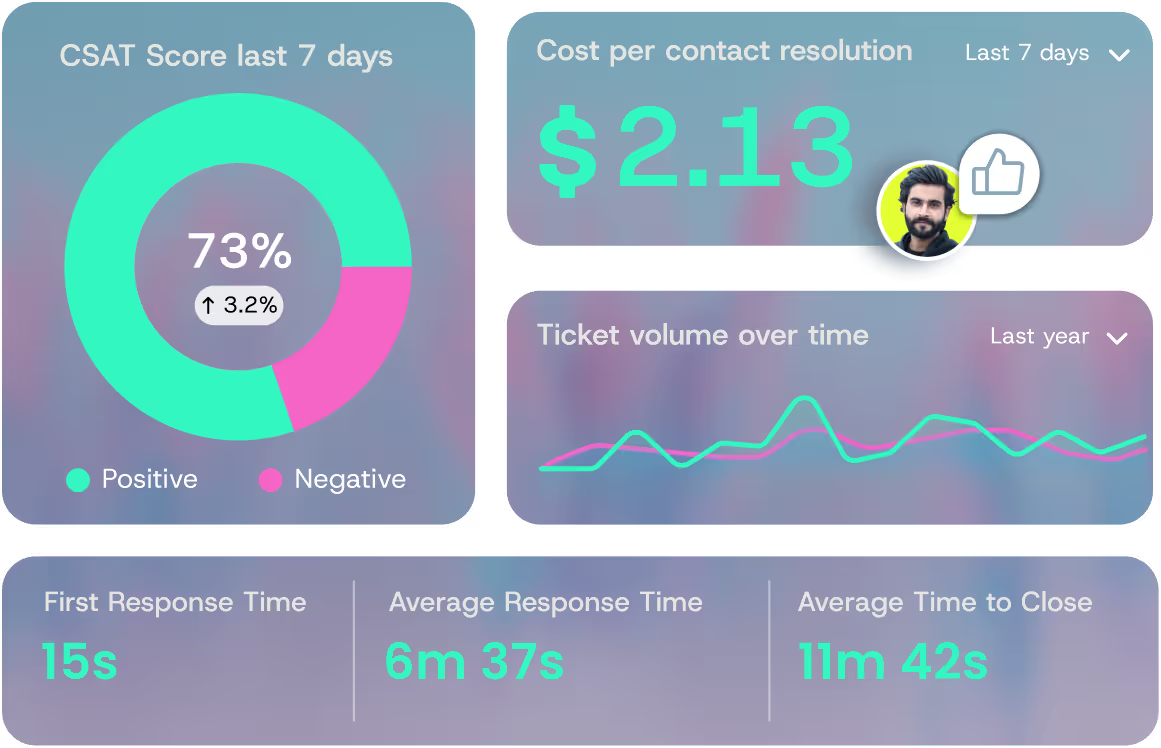
Processing time drops from days to hours. Risk decreases because automated systems maintain complete audit trails.
Automating Repetitive Administrative Tasks
Data entry and account management consume countless hours in wealth management firms. Staff manually key information from forms into systems. These tasks require attention but add no strategic value to the business.
Automation reduces human error in these routine activities. When software transfers data directly between systems, typos disappear. Account setups follow exactly the same steps every time.
What automation handles so advisors don't have to:
- Client data entry from applications and forms
- New account setup across multiple platforms
- Document routing and storage
- Standard client communications and confirmations
Advisors gain significant time for client engagement when automation handles this work. They can prepare for meetings and research planning strategies rather than reviewing data entry.
Implementing client service automation solutions enables wealth management firms to streamline these processes while maintaining the personalized service clients expect.
Compliance, Risk Monitoring, and Audit Trails
Automated compliance processes ensure your firm follows regulatory requirements consistently. Systems can check transactions against restricted lists. They verify suitability documentation before trades execute.
This consistency protects your firm during regulatory examinations.
Recent SEC amendments to Regulation S-P now require RIAs to maintain documented incident response programs and oversee service providers carefully.
Automated audit logs provide complete visibility into client account actions, helping meet these new requirements. Regulators expect firms to demonstrate oversight through detailed records.
Strong compliance workflows build client trust and reduce firm risk. When clients know your systems enforce rules consistently, they feel confident about your stewardship.
Understanding why disorganized communications increase regulatory risk helps firms recognize the importance of systematic record-keeping and structured processes.
Workflow Integration and Scalability
Integrated platforms connect your CRM, custodial interfaces, and billing software into unified workflows. Data moves automatically between systems without manual export steps. This integration eliminates the gaps where errors typically occur.
Scaling operations becomes realistic when automated workflows handle increased volume.
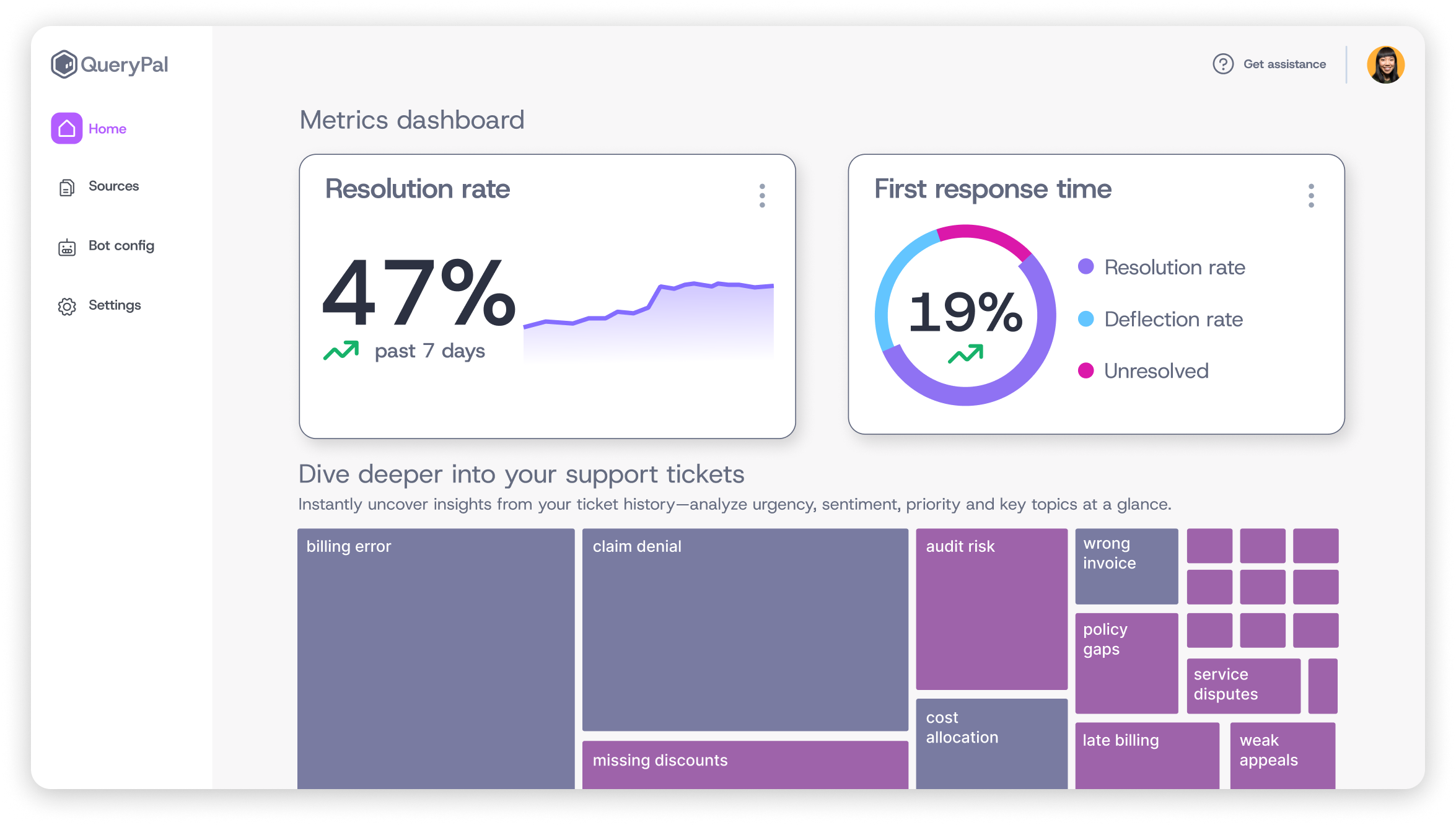
Adding new clients requires minimal additional administrative work. Your firm can grow without proportional increases in back-office staff.
Integration benefits that improve daily operations:
- Client data flows seamlessly between CRM and reporting tools
- Custodial information syncs automatically with billing systems
- Account changes update across all platforms simultaneously
- Reports generate from current data without manual compilation
Seamless data flows speed client service significantly. When advisors need information, integrated systems provide it immediately. Account reviews happen faster because current data flows directly into reporting templates.
Key Benefits of Outsourcing Plus Automation for Wealth Management
Cost savings from this combined approach often reach significant levels. Your firm eliminates salaries and training costs for back-office positions.
Technology expenses spread across multiple clients through your provider, giving you access to systems you could not afford independently.
Specialized expertise becomes available without internal overhead. Outsourcing partners hire experts in investment operations and train them continuously. Your firm benefits from this knowledge without managing those employees directly.
Service quality improves through consistent processes and faster response times. Automated systems never have bad days.
Reports run on schedule regardless of staffing changes. This reliability strengthens your firm's reputation.
Primary benefits wealth managers experience:
- Reduced operational costs through shared technology and expertise
- Improved accuracy with automated data validation and reconciliation
- Faster processing times for reporting, billing, and account changes
- Enhanced compliance through systematic controls and audit trails
- Greater advisor availability for client meetings and planning
Enhanced Client Experience
Faster and more accurate reporting directly improves how clients perceive your service. When statements arrive on time and performance calculations prove correct, clients notice the professionalism.
They share this positive experience with others who may become referrals.
Advisors spend more face-to-face time with clients when administrative burdens decrease. Meetings focus on planning goals rather than explaining account statements.
This deeper engagement builds stronger relationships and creates opportunities to deliver white glove service at scale.
Strong client experience drives loyalty and referrals naturally. Satisfied clients stay longer and recommend your firm to others. The operational excellence behind this experience becomes a competitive advantage.
Scalability and Flexible Growth
Outsourcing and automation support growing client bases without linear cost increases. Adding 50 new clients might require one additional staff member in a manual operation.
With automated systems, those clients integrate with minimal added expense.
Flexibility during peak periods becomes automatic rather than stressful. Quarterly reporting creates workload spikes that strain internal teams.
Automated systems handle increased volume without overtime or temporary staff.
Scalability creates competitive advantage in wealth management markets. Firms that grow efficiently offer better pricing and adapt quickly to opportunities.
This operational capability supports strategic initiatives without disruption. Many firms wonder whether high-touch services can scale, but the right combination of automation and outsourcing proves it's achievable.
Risk Mitigation and Compliance Support
Outsourcing partners bring specialized compliance expertise that supplements your internal knowledge. They monitor regulatory changes affecting back-office operations.
This external perspective often identifies risks your team might overlook.
The amended Regulation S-P requires RIAs to establish written policies for service provider oversight, including due diligence and monitoring.
Automated processes enforce rules consistently across all accounts and help meet these new requirements. This enforcement reduces the oversight burden on your compliance staff.
Strong risk controls demonstrate your commitment to fiduciary standards. When you can show automated controls and expert oversight, you build confidence in your firm's ability to protect client interests.
Best Practices for Implementing Outsourced and Automated Operations
Selecting the right outsourcing partner requires evaluating expertise and technology capabilities. Look for providers who understand wealth management specifically.
Their technology should integrate with your existing systems rather than requiring replacement.
Map your current processes completely before choosing automation solutions.
Understand every step and data source in your operations. This documentation reveals opportunities for improvement and helps you specify exactly what you need.
Establish key performance indicators to monitor success after implementation. Track accuracy rates, processing times, and client satisfaction scores.
Review these metrics regularly with your partner and adjust processes when results fall short. Consider implementing comprehensive customer service metrics to measure the full impact of your operational improvements.
Transition Planning and Change Management
Moving from in-house to outsourced workflows requires careful planning. Identify which functions transition first and what data must transfer. Create detailed project plans with clear responsibilities and timelines.
Internal training helps your team work effectively with new systems and partners. They need to understand how to access information and monitor outsourced work. Clear communication about why changes happen reduces anxiety.
Clear governance structures ensure smooth adoption with minimal disruption. Designate internal contacts for different functions and establish regular review meetings.
When everyone knows how the new operation works, questions get answered quickly.
Continuous Optimization and Feedback Loops
Monitoring automation results helps you identify opportunities for improvement. Review which processes run smoothly and which generate exceptions. Adjust rules and workflows based on actual performance data.
Client service data provides valuable input for operational optimization. Track which questions clients ask most frequently. Use this information to adjust processes and prevent problems before clients experience them.
Regular performance reviews with outsourcing partners maintain alignment. Review metrics together and discuss emerging needs. Strong partnerships thrive on open communication and shared goals.
How to Choose the Right RIA Back-Office Outsourcing Partner
Due diligence matters enormously when selecting an outsourcing partner for investment operations. Not every business process outsourcer understands wealth management nuances. You need partners who know how RIAs work and what custodians require.
Why specialization matters:
- Generalist BPO providers lack investment operations expertise
- RIA-focused firms build technology specifically for wealth management
- Their staff trains on custodial requirements from day one
- They understand compliance obligations that generalists miss
Partners focused exclusively on investment management typically outperform generalists. This focus delivers better results for your firm because every system and process is designed for your specific needs.
Look for partners with strong wealth management domain knowledge and proven integrations. They should connect easily with your custodian and reporting tools. Ask about their experience with firms like yours and request references you can contact directly.
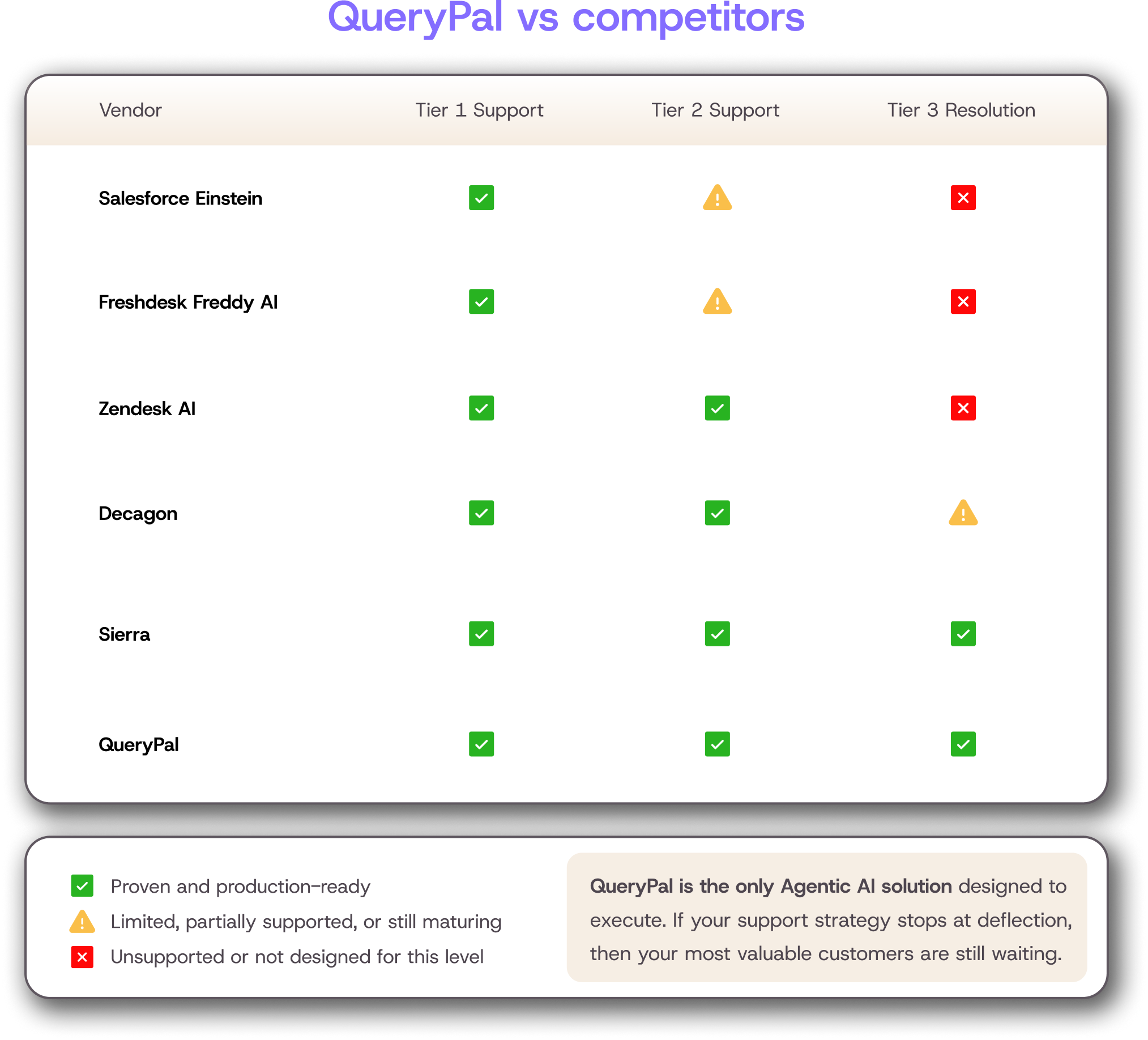
Advanced technology solutions can further enhance your operational efficiency. QueryPal Intercept's intelligent automation helps firms streamline client communications and reduce manual processing while maintaining the personal touch clients expect.
Secure data practices and compliance readiness are non-negotiable requirements. Under amended Regulation S-P, RIAs must ensure service providers protect customer information and notify the firm within 72 hours of a security breach [2].
Your partner should welcome your security questionnaires and provide documentation freely.
Partner alignment with your long-term growth goals ensures lasting value. Discuss your plans for the next three to five years. The right partner grows with you and adds capabilities as your needs expand over time.
Transforming Wealth Management with Outsourced Automation
Outsourcing combined with automation fundamentally changes how wealth management firms operate. Advisors spend their time on clients and strategy rather than administrative tasks. The strategic focus shifts to client engagement and business growth.
Modern wealth management requires sophisticated technology infrastructure to remain competitive. Advanced AI-powered solutions can handle complex client inquiries while maintaining the high-touch service standards that affluent clients expect from their advisors.
We encourage RIAs to honestly assess which functions truly require your expertise. Start with a phased plan that moves appropriate functions to outsourced automated partners.
Contact QueryPal to learn how we help wealth management firms transform their ria back office outsourcing operations through intelligent automation and specialized support.
References
https://www.wealthmanagement.com/ria-news/ria-outlook-2026-more-m-a-new-services-planned-for-2026
https://www.kkwc.com/insights/regulation-s-p-amendments-compliance-date-approaching-prompt-action-required/

Activate your free
6 week trial
& white-glove integration support.
Cut support costs by 60%, slash response & resolution times, improve your customer experiences, & reduce agent burnout. Find some time with us to show you how.