Why Disorganized Client Communications Increase Regulatory Risk
Disorganized client communications cause regulatory risk by breaking the audit trail that regulators require.
When employees use unmonitored channels like personal texts, WhatsApp, or private messaging apps, those conversations often fall outside official archiving and supervision systems.
Since 2021, financial regulators have imposed fines totaling over $3.5 billion for these exact failures. The risk is real, and the scrutiny is intense. Keep reading to understand the exact mechanisms of this threat and how to build a defensible approach.
How a Broken Line of Communication Creates a Regulatory "Blind Spot"
Disorganized messaging creates a blind spot. This blind spot forms when employees move business conversations to tools that compliance teams cannot see.
Many workers use WhatsApp, Signal, personal email, or text messages because they are fast and familiar. But these tools are not approved for regulated business use. Most of these apps delete messages automatically.
Others store data only on personal phones. None of them connect to official archiving systems. When messages disappear, the audit trail breaks, and so does your firm's ability to demonstrate client communications compliance.
This is where organizational compliance breaks down — not because of bad intent, but because of poor information management infrastructure.
Understanding how your firm captures, governs, and retrieves information is the first step toward closing these gaps. Firms that treat records as a strategic asset, not a filling obligation, build systems that hold up under regulator scrutiny.
The Hidden Dangers of Off-Channel Communications
An exchange market maker who processes all transactions as a broker-dealer, through his clearance account, may utilize the clearance account records to satisfy his SEA Rule 17a-3 record-keeping requirements, provided that the clearing firm complies with the provisions of SEA Rules.
If a firm cannot produce these records, it has already failed. The content of the message does not matter. The missing record itself is the violation. This is why off-channel communications are so dangerous.
They hide activity from supervision, remove proof, and leave firms exposed during exams or investigations. Proper compliance recordkeeping failures don't just create fines — they create lasting reputational damage that follows firms for years.
A defensible compliance program starts with treating every communication a a record. When firms govern data systematically, across email, chat, and voice, they gain the searchability and auditability to prove their posture on demand, not just in theory.
Key failures that create the blind spot:
- Use of personal devices for business conversations
- Lack of technical controls on mobile messaging
- No integration between chat apps and the central archive
- Inadequate training on approved tools
Why Regulators Are Obsessed With Messaging "Hygiene"
Regulators are not only looking for fraud. They are enforcing a core rule: if it is not recorded, it did not happen.
This means missing records are treated as violations, even when no wrongdoing occurred. Without records, regulators cannot confirm that firms prevented insider trading, market manipulation, or unfair practices. A missing message removes trust.
This is why messaging supervision has become a top enforcement priority, and why firms that rely on fragmented knowledge systems are especially vulnerable.
When information management breaks down, the entire organizational compliance structure is at risk — not just in finance, but in every regulated sector.
More than $3.5 billion in fines have been issued due to recurring failures involving unrecorded business messages on platforms like WhatsApp and Signal. These actions are not slowing down. They are expanding.
Regulators now expect firms to prove they control how employees communicate. Written policies are no longer enough. Firms must show technical enforcement — a rule banning WhatsApp means nothing if employees can still use it without detection.
The line between legal counsel and compliance function has never mattered more. Legal teams respond to violations after the fact; compliance teams must prevent them, and regulators are now grading firms on that distinction.
What Are the Staggering Financial Consequences of Recordkeeping Failures?
The financial impact of poor messaging control is extreme. Penalties now reach tens of millions of dollars per firm. In some cases, SEC recordkeeping fines exceed $50 million for a single enforcement action.
These penalties are designed to hurt. Recordkeeping failures can trigger staggering financial consequences — not only through direct fines, but also through reputational damage and intensified regulatory scrutiny that can last for years.
The financial consequence is clear: investing in proper infrastructure is far cheaper than paying the inevitable fine.
How Supervisory Failures Amplify Risk
Risk grows when supervision fails. This often happens when leadership does not enforce rules or uses unapproved apps themselves. When senior leaders break the rules, employees follow — creating a culture where compliance monitoring feels optional.
The violation is never just the content of the exchanges. It is the use of a channel that breaks recordkeeping rules. This has set the tone for the entire industry: supervisory breakdown will be punished at the highest level.
Common supervisory failures include:
- Lack of monitoring for non-approved app usage: Without active oversight, employees can send exchanges outside official channels unnoticed.
- Skipping regular audits: Avoiding regular checks allows gaps in message infrastructure to persist and worsen over time.
- Inconsistent enforcement: If rules apply differently across staff levels, adherence breaks down and confusion spreads.
- Ignoring red flags from existing tools: Even if surveillance platforms flag risky behavior, not acting signals tolerance for violations.
Each of these weaknesses contributes to a culture where compliance is treated as optional, increasing regulatory exposure.
How Strengthening Supervisory Oversight Helps
To reduce risk, firms must ensure their compliance program has real enforcement power. Practical steps include:
- Monitor effectively: Track employee usage of messaging platforms and audit all channels regularly.
- Enforce consistently: Apply policies equally across all levels of staff, including leadership.
- Act on red flags: Investigate unusual patterns or repeated violations promptly.
- Lead by example: Senior managers must adhere strictly to approved channels.
- Provide feedback and training: Address non-adherence with corrective actions and reinforce proper behaviors through continuous education.
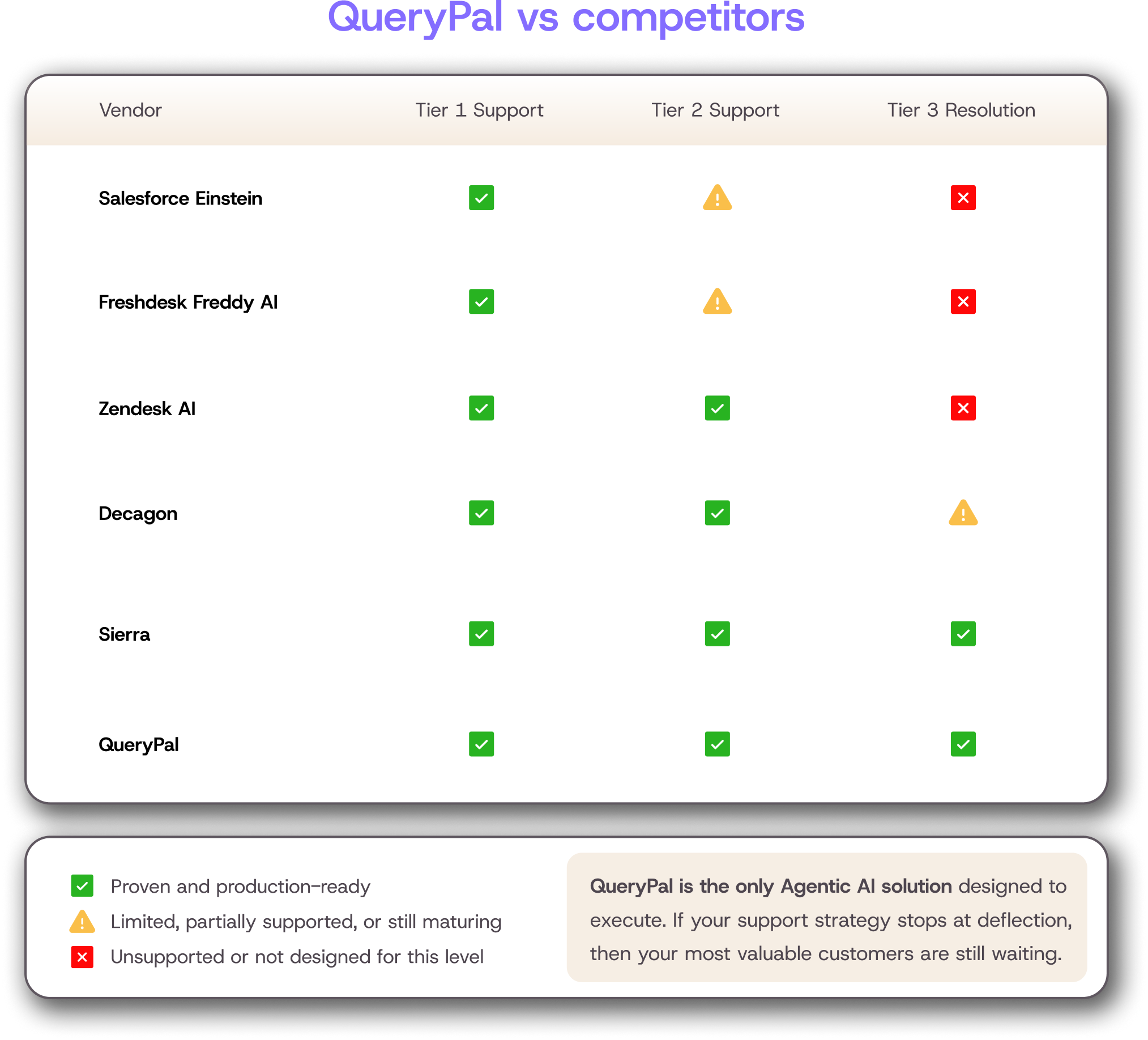
Supervisory diligence turns policy from a theoretical document into a living practice. QueryPal helps prevent the silent normalization of off-channel messaging, reducing the threat of future regulatory penalties.
What Are Some Steps Firms Can Take to Build a Defensible Audit Trail?
Building a defensible audit trail is no longer optional — it is a regulatory necessity. Firms that fail to capture, retain, and supervise all business communications expose themselves to fines, reputational damage, and operational risk.
The solution lies not in banning messaging apps, but in implementing governed, secure platforms. A digital workspace with broken or fragmented communication channels is one of the most overlooked risks firms face today. The good news is that purpose-built tools can close this gap.
- Adopt governed communication platforms. Move business conversations to an end-to-end encrypted platform like QueryPal.
- Integrate with archiving software. Choose platforms that automatically feed messages, attachments, and metadata into enterprise archiving solutions.
- Preserve business context and metadata. A defensible trail requires more than raw messages — it requires full metadata preservation that proves when, how, and by whom every exchange occurred.
- Enable proactive compliance monitoring and supervision. Use analytics and alerts to identify compliance breaches or high-risk interactions in real time. Early detection allows remediation before regulatory escalation.
This is also how effective monitoring works in practice — flagging anomalies before they escalate, and helping teams avoid the filling errors that follow when reporting processes are inconsistent or incomplate - Document remediation and self-reporting processes. Demonstrating a proactive approach can reduce penalties significantly. The SEC has credited firms that self-report and cooperate with substantially reduced fines.
By following these steps, firms not only mitigate regulatory risk but also create an auditable, reliable record of all business communications, turning compliance from a reactive burden into a strategic advantage.
The Cultural Dimension of Messaging Adherence
TWhile technology provides the tools to capture, monitor, and archive exchanges, it alone cannot ensure proper practice. Messaging adherence is as much about culture as it is about infrastructure.
Without a strong cultural foundation, even the most advanced technical controls may fail to prevent risky behavior or compliance recordkeeping failures.
How to Embed Proper Practices Into Daily Workflows
Culture is reinforced when proper practice becomes seamless in everyday work. Organizations can integrate adherence into daily operations by designing workflows where the right choice is the easiest choice.
- Pre-configured messaging tools: Ensure approved apps are installed on all devices and connected to archiving infrastructure.
- Automatic prompts and alerts: Notify employees if they attempt to communicate outside approved channels.
- Integration with existing infrastructure: Embed proper messaging within CRM, document management, or project tools so employees do not have to switch apps. Solving tool fragmentation is key — there are proven approaches to fix tool fragmentation that firms can apply immediately.
Clear escalation paths: Provide a simple way to report unclear practices or potential violations.
Reinforcing Through Recognition and Incentives
Positive reinforcement is a powerful cultural tool. Recognition programs can highlight employees who consistently follow approved practices.
Incentives may include public acknowledgment in meetings or newsletters, rewards for teams that maintain clean and fully auditable trails, and career development opportunities linked to adherence.
When employees see that proper behavior is valued and rewarded, it becomes part of the organization's identity rather than an external requirement.
How Metadata Strengthens Defensibility
Preserving content alone is not enough to meet modern regulatory expectations. Metadata preservation — the hidden data around each exchange — is equally critical to a complete audit trail.
For entities subject to SEC, FINRA, or CFTC oversight, neglecting metadata can turn an otherwise proper compliance approach into a regulatory vulnerability.
What metadata includes:
- Timestamp: When the exchange was sent or received, proving sequence and timeliness
- Sender and Recipient: Identifies all parties involved, including CCs and blind CCs
- Device and Application: Shows which device and app were used, helping identify unapproved channels
- Size and Type: Indicates whether an exchange contained attachments, links, or multimedia
- Read receipts or Delivery Status: Confirms that the intended recipient received the exchange
Metadata allows examiners to trace communication flows, verify intent and accountability, detect anomalies such as off-hours activity or off-channel exchanges, and reconstruct incidents for audits or investigations.
Without metadata preservation, a firm may technically preserve content but fail to demonstrate the reliability and authenticity of its documentation — a gap that often leads to heightened scrutiny or additional penalties.
Solid information management practices — including proper metadata governance — are what separate firms that survive regulatory exams from those that don't.
In practice, these controls translate directly to faster audit response, cleaner chain-of-custody documentation, and fewer filling errors that stem from inconsistent or manual reporting processes.
That stem from failed suspicious activity reporting or gaps in manual transaction monitoring. When manual transaction monitoring processes are inconsistent, regulators flag the absence of automated controls as a compliance risk in itself.
Achieve Proactive Oversight Through Positive Control
Firms that proactively address compliance recordkeeping see real benefits. The SEC credited PJT Partners with a reduced penalty for self-reporting and remediation. The firm implemented a platform to keep messaging on-channel and showed proactive cooperation.
A practical implementation checklist:
- Define Requirements: Identify which roles and interactions require secure, recorded channels.
- Select Technology: Choose a platform that is user-friendly and integrates with your archive.
- Implement Controls: Deploy technical controls to capture data from all channels.
- Train Your Team: Conduct mandatory training on approved tools and regulatory rules.
- Audit and Improve: Regularly test your infrastructure and update policies.
This approach moves you from policing to enabling secure, proper interaction. QueryPal supports proactive oversight by embedding best practices into the workflow, ensuring every client interaction is part of a self-healing approach that leaves a clear, automated record.
Understanding the Hidden Costs of Poor Messaging
Beyond penalties, disorganized client communications carry hidden costs. When exchanges are spread across personal apps or multiple platforms, employees waste time trying to find conversations or verify instructions, leading to delays, repeated work, and unhappy clients.
Common hidden costs include lost time searching for exchanges, missed deadlines because instructions were overlooked, duplicated work due to unclear or missing information,
frustrated clients from slow or inconsistent responses, and lower productivity as teams spend more time fixing issues than doing real work.
Improving how your team stores and retrieves conversations is a foundational step. Firms that store conversations in a knowledge base dramatically reduce the hidden costs of messaging chaos while building a stronger compliance foundation at the same time.
Proper information management — including understanding what is the information management function and applying it systematically — is no longer optional for firms under regulatory oversight.
QueryPal helps fix messaging chaos, saves time, reduces stress, and protects both clients and your bottom line.
Why This Communication Threat Is Expanding Beyond Finance
This is not just a Wall Street problem. Regulatory risk is expanding into every regulated industry. Oversight bodies in healthcare, energy, and defense are adopting similar accountability standards.
They recognize that ephemeral messaging breaks the chain of responsibility. In healthcare, a lost exchange about patient eligibility can jeopardize funding. In government contracting, discussions about specifications or bids must be preserved.
The core principle is universal: for legal defense, public safety, or ethical accountability, you need a verifiable record of decisions and instructions.
The compliance vs legal question becomes critical here — compliance teams need to anticipate regulatory requirements, while legal teams manage the fallout. Both functions depend on the same underlying data.
The regulatory focus on client communications compliance is a trend that is spreading. Your industry is likely next.
The difference between compliance failure and compliance success often comes down to one thing: whether the right systems were in place before an incident occurred — not after.
How to Future-Proof Your Strategy
Rules for keeping client interactions are changing fast. What is acceptable today may be a problem tomorrow. To stay safe, firms need infrastructure that is smart, easy to use, and can grow with the business.
AI tools and automated platforms help capture every exchange, check for threats, and create reports ready for regulators. Using these tools now keeps your firm ahead of new rules and avoids last-minute problems.
Platforms built around intelligent, full-context search make it far easier to retrieve and produce records on demand — a critical capability during regulatory exams.
Ways to future-proof your approach:
- Record everything: Save all emails, chats, and exchanges with time and sender info.
- Use approved apps: Make sure employees only send work exchanges on safe platforms.
- Watch in real time: Alerts can warn you if someone tries to break rules.
- Easy reporting: Generate reports quickly for regulators without extra work.
- Grow with your business: Your infrastructure should support more users and transactions as you expand.
- Train your team: Teach staff how to use tools so proper practice is part of their daily work.
Being proactive today prevents big problems tomorrow. Using smart infrastructure helps firms stay safe, work better, and keep clear records. Investing now is cheaper and easier than fixing mistakes later.
Moving From Risk To Resolution
The regulatory mandate is clear. Disorganized client communications cause regulatory risk that must be addressed with a complete, searchable record of all client interactions. The cost of breakdown is measured in tens of millions of dollars.
The solution is not more policy documents. It is an integrated approach that makes the right way to interact the easiest way. This is where a different kind of intelligence layer matters.
Ready to see how an intelligence layer can unify your client communications and build a bulletproof audit trail? See how QueryPal enables resolution, not just recordkeeping.
References
[1] "Books and Records." FINRA.org, Financial Industry Regulatory Authority, 2025, www.finra.org/rules-guidance/key-topics/books-records.
[2] "SEC Charges 26 Firms with Widespread Recordkeeping Failures." U.S. Securities and Exchange Commission, 29 Aug. 2023, www.sec.gov/newsroom/press-releases/2023-149.

Activate your free
6 week trial
& white-glove integration support.
Cut support costs by 60%, slash response & resolution times, improve your customer experiences, & reduce agent burnout. Find some time with us to show you how.