The Financial Advisor Compliance Checklist & Guide
Compliance for wealth managers means following specific rules that govern how we advise clients and handle their assets. These regulations exist to protect investors and ensure we always act in their best interest.
The SEC, FINRA, and state regulators all expect firms to have written policies, trained staff, and monitoring systems in place.
This guide provides a practical financial advisor compliance checklist for wealth management firms to meet their fiduciary, operational, and regulatory duties.
We cover everything from registration requirements to cybersecurity controls. Following these steps helps protect your clients and your firm from compliance problems.
What Does Having a Regulatory Framework & Fiduciary Obligations in Wealth Management Mean?
Wealth managers answer to multiple regulators depending on their business structure. The Securities and Exchange Commission oversees registered investment advisers with over $100 million in assets.
FINRA regulates broker-dealers, while state authorities monitor smaller firms and individual representatives.
Fiduciary duty requires us to put client interests ahead of our own profits.
This means disclosing conflicts, seeking best execution, and avoiding unnecessary trading. Unlike the suitability standard, fiduciary duty demands we act in the client's best interest at all times.
Regulatory expectations evolve constantly as markets and technology change. New rules emerge around topics like robo-advisors, cryptocurrency, and ESG investing. Staying current protects firms from enforcement actions and helps maintain client trust.
Modern AI-powered customer service solutions can help financial services firms manage regulatory communications more effectively.
SEC and RIA Regulatory Requirements
Registered investment advisers must meet ongoing obligations under the Investment Advisers Act of 1940. Form ADV serves as the primary disclosure document, requiring annual updates within 90 days of the fiscal year end.
Material changes between annual filings must be disclosed promptly to clients.
Fiduciary duties under SEC rules require complete transparency about fees and conflicts.
We must disclose how we get paid, including any third-party compensation. Clients deserve to know about any financial incentives that might influence our recommendations.
- Form ADV Part 1 contains factual information about business structure, ownership, and disciplinary history
- Form ADV Part 2 is the brochure detailing services, fees, and conflicts
- Form ADV Part 3 (Form CRS) provides retail clients with a summary relationship document
Annual compliance reviews help ensure firms meet their regulatory obligations. These reviews examine policies, trading practices, and disclosure documents.
Any deficiencies discovered must be documented and corrected promptly. Comprehensive compliance audit processes ensure nothing falls through the cracks during regulatory reviews.
State and Other Regulatory Oversight
State securities regulators play a significant role in wealth management compliance. Firms with less than $100 million typically register at the state level rather than with the SEC.
Each state has unique requirements for fees, examinations, and continuing education.
- Investment Adviser Representatives must complete continuing education in many jurisdictions
- These programs cover ethics, regulatory updates, and industry developments
- Tracking completion across multiple states requires careful administrative attention
- Some states impose additional net capital requirements beyond federal rules
Working with clients across state lines brings additional complexity. Each new jurisdiction has its own registration requirements and examination protocols.
Compliance in one state does not guarantee compliance in another. Firms must research requirements for every state where they do business.
You Might Need a Foundational Compliance Program Structure
A strong compliance program starts with written policies tailored to your specific business. Generic templates often miss important firm-specific risks and create false security.
The program should address how your firm actually operates day to day.
Clear roles and responsibilities prevent compliance tasks from falling through the cracks. Everyone should know who handles registrations, who reviews marketing, and who monitors trading. Regular meetings keep the team aligned on compliance priorities.
Documentation proves to regulators that your program functions effectively. Meeting minutes, testing results, and violation logs all demonstrate active oversight. Without these records, regulators may assume compliance is merely theoretical.
Poor documentation and disorganized client communications create significant regulatory risks that can lead to enforcement actions.
Step 1: Written Policies & Procedures
Every wealth manager needs policies covering core compliance areas. These documents must address the code of ethics, privacy protections, and supervision of trading activities.
The SEC expects policies to be reasonably designed to prevent violations.
Written policies should reflect how your firm actually operates, not aspirational standards. Staff must acknowledge receiving and understanding these policies annually.
This creates accountability and confirms everyone knows the rules.
- Annual testing must verify that policies work as intended
- Testing includes sampling transactions and reviewing email communications
- Disclosure accuracy should be checked against actual practices
- Results must be documented along with any corrective actions
The SEC will examine whether policies are reasonably designed to address conflicts. They also check if policies are actually implemented and enforced. Documentation of testing proves your program is effective.
Firms that cannot produce testing records face higher scrutiny.
Step 2: Code of Ethics & Personal Trading Controls
Access persons must report personal securities holdings and trades regularly. These individuals include advisors and staff who see client trading information. Pre-clearance requirements prevent conflicts like front-running client trades.
Gifts and entertainment rules prevent improper influence on advice. Most firms set annual limits on what employees can accept from outside parties. Outside business activities require approval to ensure they do not conflict with client interests.
Enforcement of ethical rules requires consistent monitoring and follow-through. Violations should be investigated and documented regardless of size.
Consequences must be applied fairly across all staff levels. A pattern of unaddressed violations signals weak compliance.
Step 4: Chief Compliance Officer Responsibilities
The CCO oversees the compliance program and reports directly to senior leadership. This position requires authority to enforce policies and access to all firm records.
Independence from revenue-producing roles helps maintain objectivity.
Documentation of compliance activities proves the CCO is fulfilling their duties. Calendars, meeting notes, and testing results all create a record of active oversight.
This documentation becomes invaluable during regulatory examinations.
- Internal CCOs understand daily operations but may lack a broad perspective
- Outsourced CCOs bring experience from multiple firms and industries
- Hybrid arrangements split responsibilities between internal and external resources
- Costs and complexity vary significantly based on firm size and structure
Firms must decide between internal and outsourced CCO arrangements based on their needs. Small firms often benefit from outsourced professionals who know regulatory expectations.
Larger firms typically need someone inside who understands daily operations deeply.
Step 5: Client Documentation, Disclosures & Client Interaction Compliance
Client agreements establish the foundation of the advisory relationship. These documents should clearly state services provided, fees charged, and termination terms.
Vague agreements lead to disputes when client expectations do not match reality.
Fiduciary standards apply to every client interaction from the initial meeting through ongoing advice. We must gather sufficient information to make suitable recommendations.
Documentation shows we understood the client's situation before giving advice.
The SEC's 2026 examination priorities focus heavily on fiduciary duties and conflicts. Examiners will scrutinize whether advice aligns with client objectives and risk tolerance.
They also review how firms disclose fees and manage conflicts. Modern firms can leverage artificial intelligence applications in financial services to better document and track client interactions while maintaining compliance.
Step 6: Client Agreements & Brochures
Advisory agreements must specify whether advice covers comprehensive planning or a limited scope. Clients should understand exactly what services they will and will not receive.
The agreement should also explain how either party can terminate the relationship.
Fee disclosure requires transparency about all costs clients will pay. This includes advisory fees, trading costs, and any third-party expenses.
Hidden fees or complicated calculations frequently trigger client complaints and regulatory attention.
Risk disclosures help clients make informed decisions about their investments. Different strategies carry different risk levels that clients should understand.
Disclosures must match the actual investments recommended to each client.
Step 7: Client Relationship Summaries
Form CRS provides retail clients with key information in plain English. This two-page document explains services, fees, conflicts, and disciplinary history. Regulators designed this format to help clients compare firms more easily.
Core CRS elements include the types of accounts and services offered. We must explain our legal standard of conduct and any fees the client will pay. The summary should also tell clients where to find more detailed information.
Delivery timing matters for CRS compliance. New clients should receive it before or at engagement. Firms must also keep records showing when and how summaries were delivered.
Step 8: Marketing & Communication Compliance
Marketing rules prohibit misleading statements about performance or services. When advertising returns, we must present it fairly and include appropriate context.
Testimonials and endorsements now require specific disclosures under SEC marketing rules.
The SEC staff recently clarified that advisers may use actual fees when advertising net performance. This depends on the facts and circumstances of each advertisement.
Disclosures should highlight any differences between historical and anticipated fees.
All marketing materials need retention regardless of where they appear. This includes social media posts, videos, and website content.
Regulators expect firms to produce these records quickly during examinations.
AML, KYC & Financial Crime Prevention
Anti-money laundering rules require wealth managers to verify client identities. We must collect identifying information before opening accounts. Customer Identification Programs outline exactly what documentation we need from each client.
Know Your Customer requirements go beyond identity verification. We must understand the source of funds and expected account activity. This knowledge helps us spot unusual transactions that might indicate criminal activity.
The AML compliance deadline for investment advisers has been subject to regulatory revision, with updated timelines continuing to evolve. Covered advisers now have additional time to develop required programs.
However, firms should continue progress on basic compliance items unlikely to change.
- Written policies and internal controls to prevent money laundering
- Designation of an AML compliance officer
- Ongoing employee training programs
- Independent testing of the AML program
Ongoing monitoring watches for suspicious activity after accounts open. Unusual wire transfers or rapid trading might signal problems. Suspicious Activity Reports must be filed when certain red flags appear.
Many firms find that outsourcing back-office functions helps maintain consistent AML monitoring standards.
Operations, Recordkeeping & Risk Management
Operational controls ensure client instructions get executed correctly. Trade errors must be identified and corrected promptly. Strong operations reduce mistakes that harm clients.
Recordkeeping rules specify how long we keep documents. Emails and trade tickets require five-year retention. Client agreements must stay on file for six years after account closure.
All records must be accessible for exams.
- Business emails and communications: five years
- Trade confirmations and statements: five years
- Client agreements: six years after closing
- Marketing materials: five years
Risk assessments identify threats facing your specific firm. Evaluating vulnerabilities helps focus resources effectively.
Regular assessments show regulators we take risk management seriously.
An Important Component is Cybersecurity & Data Protection
Regulators expect wealth managers to protect client information from unauthorized access. Written security programs must address data storage and transmission.
Regular risk assessments identify vulnerabilities before exploitation.
Effective cybersecurity uses multiple protection layers. Firewalls block unauthorized access while encryption protects data.
Access controls limit who views sensitive information. Incident response plans spell out breach procedures.
The SEC's priorities include Regulation S-P privacy amendments. Examiners will review incident response programs and safeguards.
Firms must detect and recover from data access quickly. Staff training reduces human error incidents.
Organizations implementing AI solutions in regulated environments need robust security frameworks to maintain compliance.
Another Component is Annual Reviews & Internal Audits
Annual compliance reviews examine every program component. Reviewers test whether policies actually work. They check if staff follow procedures consistently.
Testing samples, transactions, communications, and disclosures. Problems found require documentation and corrective plans. Follow-up confirms fixes solved underlying issues.
- Test trade execution procedures
- Review personal trading reports
- Sample client communications
- Verify disclosure accuracy
Audit documentation creates continuous improvement records. Regulators want to see weakness identification and correction. This history proves we take compliance obligations seriously.
Training, Culture & Ongoing Monitoring
Compliance training ensures staff understand relevant rules. New employees need training immediately. Existing employees need updates when regulations change.
Building a compliance culture starts with leadership tone. When executives follow rules, others follow naturally. Regular communication keeps compliance top of mind.
The SEC examines whether programs fit each business model. Programs must stay current across core functions.
Reviews assess policy testing and enforcement. Wealth management firms can enhance their operations through automated client service solutions while maintaining regulatory compliance standards.
Staff Compliance Education
Training topics should reflect employee responsibilities. Traders need different training than the administrative staff. Annual training keeps everyone current on regulations.
- New hire orientation covers compliance basics
- Quarterly updates address recent changes
- Annual ethics reviews fiduciary duties
- Role-specific sessions target risks
Documenting attendance proves that training obligations were met. Front-line staff spot problems working directly with clients. Good training helps recognize suspicious activity immediately.
Monitoring & Surveillance Tools
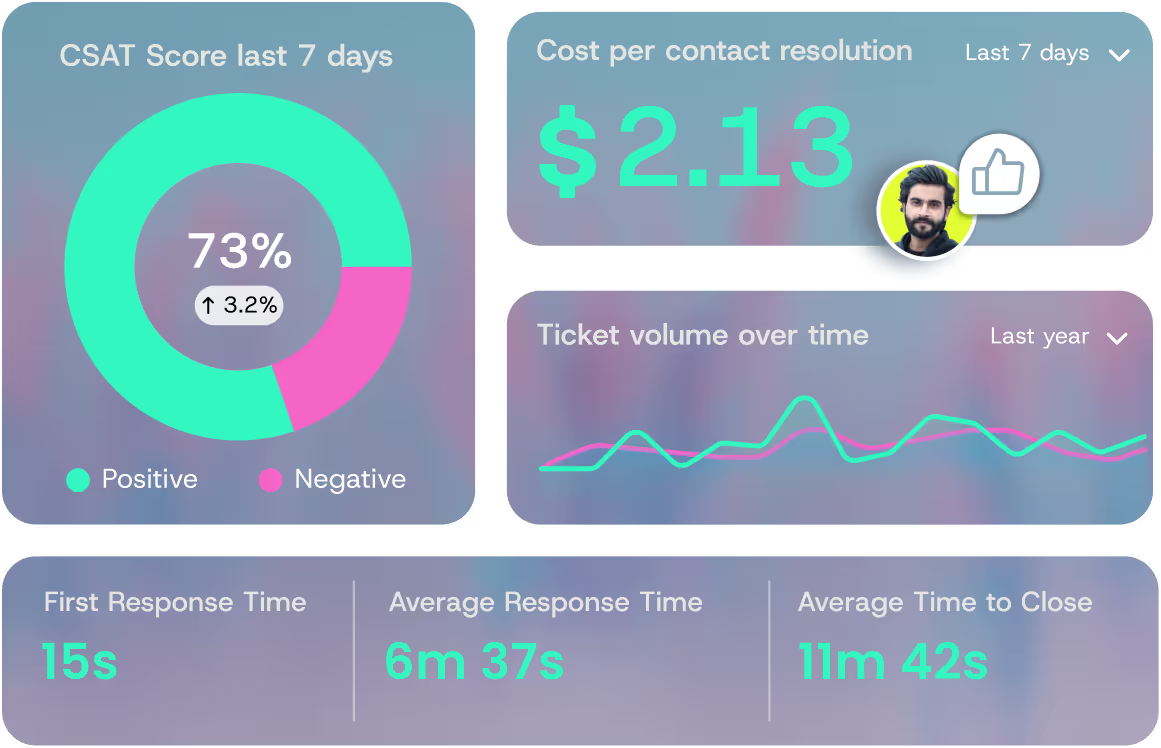
Technology enables continuous monitoring of compliance risks. Communication tools scan emails for problematic language. Trade surveillance watches for misconduct patterns.
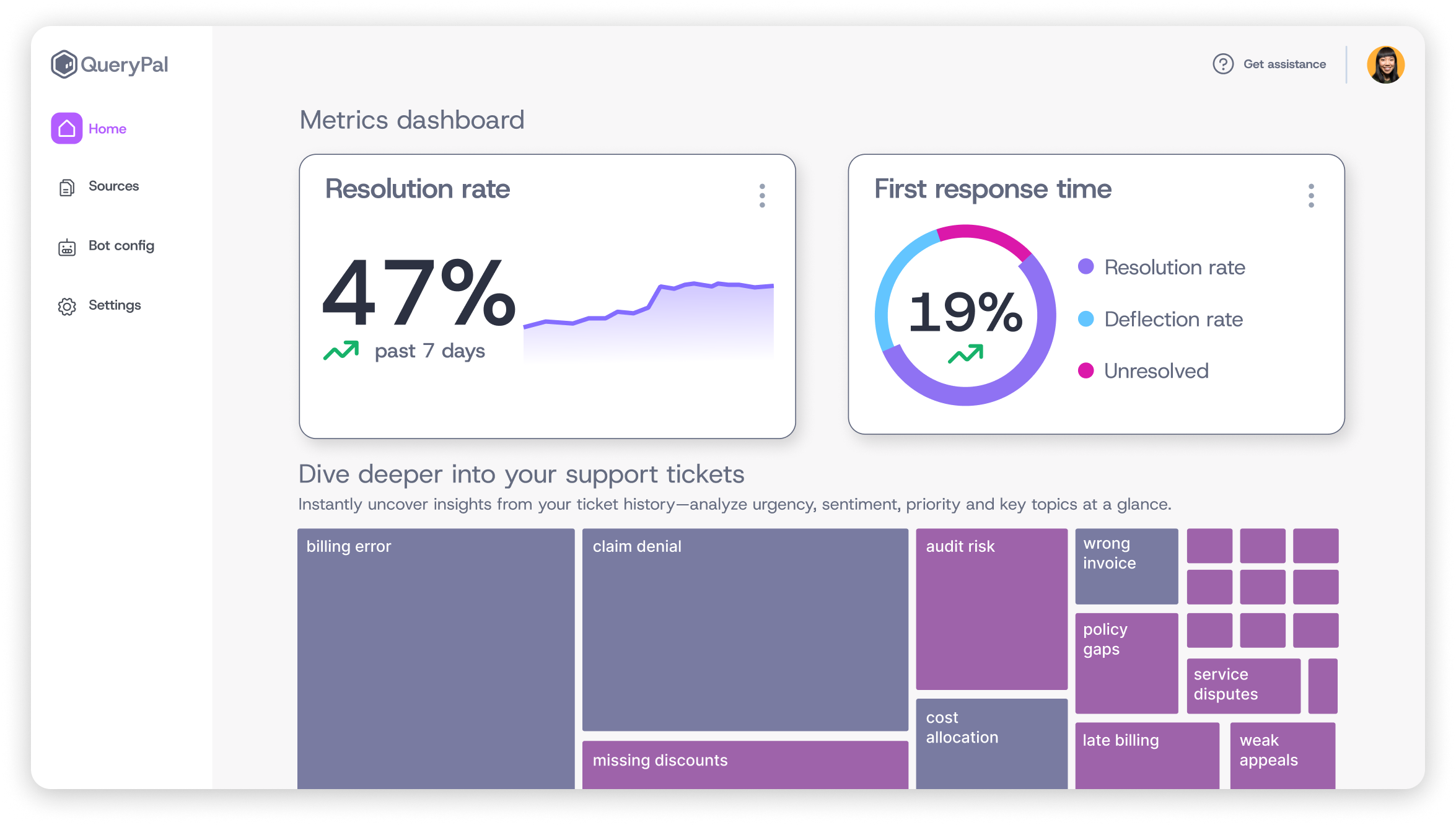
Automated monitoring catches issues humans miss manually. Computers review thousands of transactions for anomalies. Flagged problems require investigation and documentation.
- Communication surveillance reviews emails
- Trade monitoring detects unusual patterns
- Account surveillance watches trading
- Electronic alerts flag potential issues
The SEC scrutinizes AI and automated tool usage. Examiners assess AI-related statement accuracy. They review governance and human oversight of technologies.
Advanced enterprise analytics platforms help firms monitor compliance across multiple business functions.
Effectiveness metrics improve monitoring programs systematically. We track how many alerts lead to findings. Too many false alarms waste time. Too few might miss serious problems.
Staying Ahead of Regulatory Change
Tracking regulatory updates requires dedicated attention from someone on staff. New rules come from the SEC, FINRA, and state regulators throughout the year.
Industry publications and compliance consultants help identify important changes.
Integrating new rules into your program takes planning and coordination. Policies must be updated, staff trained, and systems adjusted. Starting early prevents last-minute scrambling before effective dates.
The SEC's 2026 examination priorities include several emerging areas. These include artificial intelligence, cybersecurity, and complex products.
Firms should review these priorities carefully and adjust compliance activities accordingly.
Change logs document how your program evolves over time. When updating policies, record what changed and why. This history proves to regulators that you respond appropriately to new requirements.
Preparing for Exams, Audits & Enforcement Actions
Regulators focus on certain areas during most examinations. Conflicts of interest, marketing claims, and custody rules receive particular attention. They also review how firms test their own compliance and respond to problems.
The SEC prioritizes never-examined advisers and newly registered firms. First-time exams can be intensive and set the tone for future reviews. Preparation through mock exams helps firms avoid findings that are difficult to remediate.
- Organize documents so you can find them quickly during exams
- Have testing results ready to show ongoing monitoring
- Ensure policies demonstrate thoughtful consideration of requirements
- Document all corrective actions taken
Consistent compliance reduces enforcement risk significantly. When problems occur, regulators consider whether you tried to comply.
Firms that take compliance seriously and fix issues quickly face lighter penalties. Modern AI-powered response systems can help firms maintain consistent communication standards across all client interactions.
Using the Compliance Checklist as a Living Tool
This checklist supports fiduciary duty by keeping client protection central to operations. Regular updates ensure your program meets current regulatory expectations. Proactive risk assessments identify issues before they affect clients.
Your specific firm size, services, and clients determine which areas need most attention. Adapt this financial advisor compliance checklist to your particular circumstances. Review it regularly and update as your business evolves.
At QueryPal, we help wealth managers deliver better client experiences while maintaining compliance.
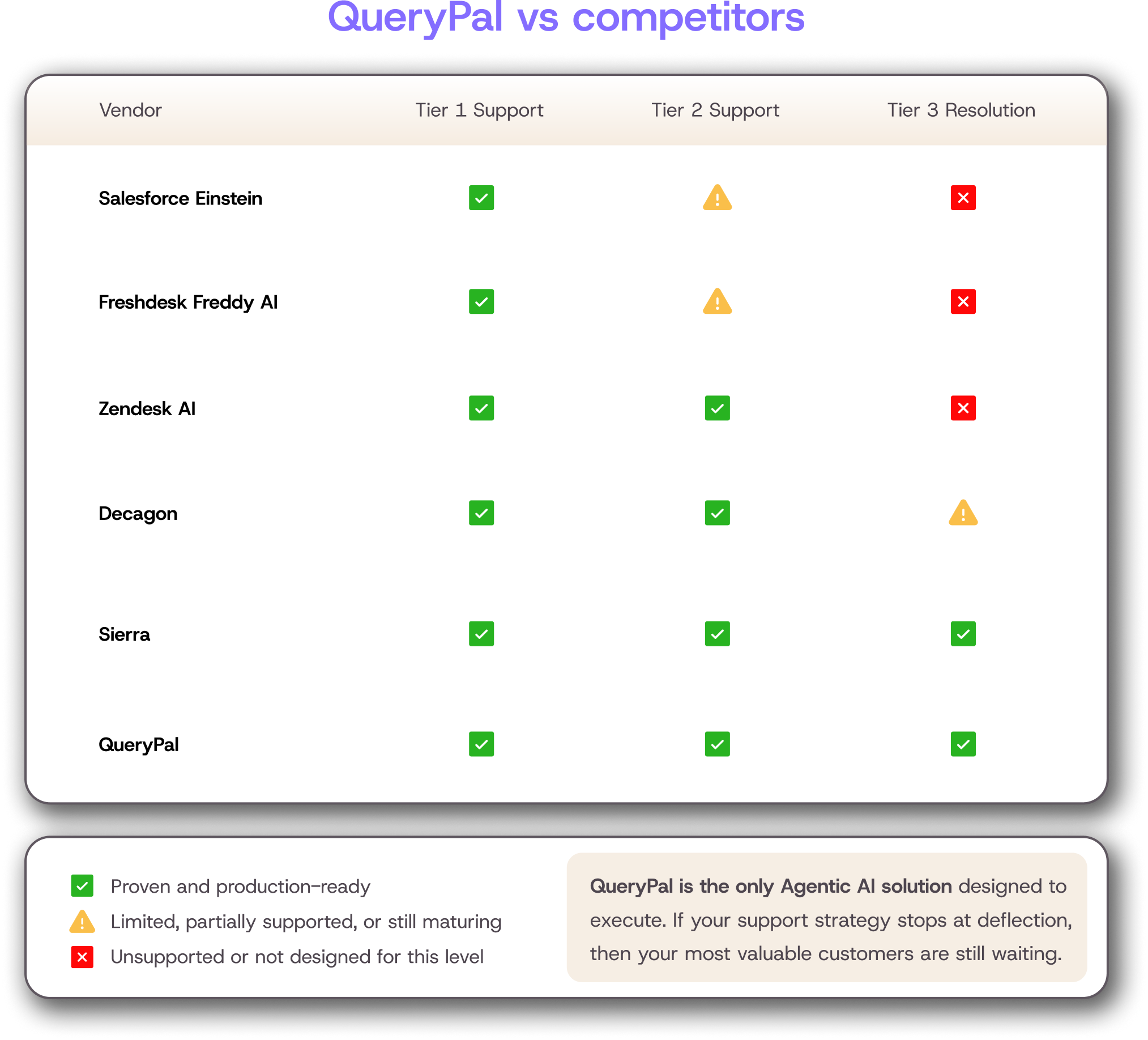
Our intelligence layer integrates with your existing systems to support regulatory requirements.
We invite you to schedule a consultation to learn how we can help your firm meet compliance goals efficiently.
References
- Yale University. “Key Resources.” It’s Your Yale, https://your.yale.edu/financial-resources/internal-controls-compliance/financial-compliance/key-resources/financial
- Terrill, Marshall. “Beyond the Numbers: How AI Is Reshaping Financial Planning and Why Human Judgment Still Matters.” Arizona State University News, 9 Dec. 2025, https://news.asu.edu/20251209-business-and-entrepreneurship-beyond-numbers-how-ai-reshaping-financial-planning-and-why

Activate your free
6 week trial
& white-glove integration support.
Cut support costs by 60%, slash response & resolution times, improve your customer experiences, & reduce agent burnout. Find some time with us to show you how.